- On sale!
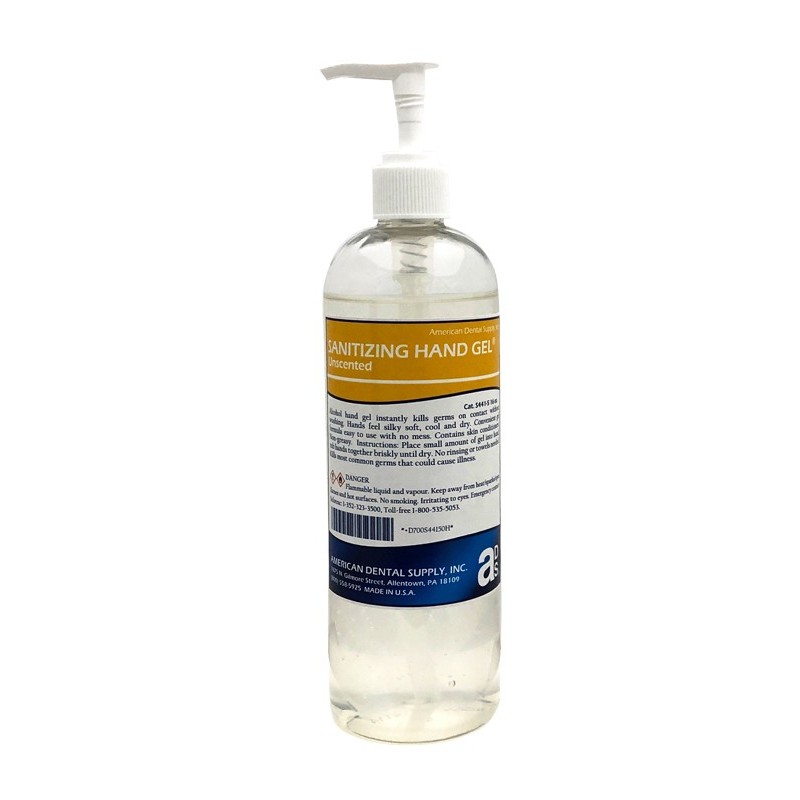

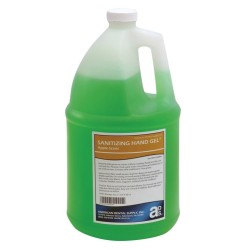
INSTANTLY KILLS GERMS ON CONTACT WITHOUT WASHING. Alcohol hand gel instantly kills germs on contact without washing! Clear and Unscented. Contains skin conditioners. Nongreasy. Just place a small amount of gel into hand, rub hands together until dry. No rinsing or towels needed. Convenient counter top pump dispenser. Made in U.S.A.
SANITIZING HAND GEL® CLEAR, UNSCENTED, CASE OF 6-16 OZ. PUMP BOTTLES
INSTANTLY KILLS GERMS ON CONTACT WITHOUT WASHING
- Alcohol hand gel instantly kills germs on contact without washing!
- Clear Gel, Unscented.
- Contains skin conditioners.
- Nongreasy.
- Just place a small amount of gel into hand, rub hands together until dry.
- No rinsing or towels needed. Convenient counter top pump dispenser.
Made in U.S.A.
"Alcohol hand sanitizers are an effective agent for eradicating viable pathogens on hands, including under artificial fingernails." [1]
"Alcohol hand sanitizers have the greatest antimicrobial efficacy and speed of kill against these resistant pathogens and help improve compliance because they are convenient, quick to use, and gentle on the skin. Consequently, use of these products as part of an infection control program can have a significant impact on both health outcomes and health care costs.” [2]
Quantity: 1 - CASE OF 6-16 OZ. PUMP BOTTLES
______________________
Source [1] McNeil SA, Foster CI, Hedderwick SA, Kaufman CA, Effect on hand cleansing with antimicrobial soap or alcohol-based gel on microbial colonization of artificial fingernails worn by health care workers. Clin Infect Dis 2001; 32:367-72
Source (2) Hilburn, J., Hammond, B. S., Fendler, E. J., & Groziak, P. A. (2003). Use of alcohol hand sanitizer as an infection control strategy in an acute care facility. AJIC: American Journal of Infection Control, 31(2), 109-116. doi:10.1067/mic.2003.15
INSTANTLY KILLS GERMS ON CONTACT WITHOUT WASHING. Alcohol hand gel instantly kills germs on contact without washing! Clear and Unscented. Contains skin conditioners. Nongreasy. Just place a small amount of gel into hand, rub hands together until dry. No rinsing or towels needed. Convenient counter top pump dispenser. Made in U.S.A.